If you want to experience the 'Manhattan of Tokyo,' these are the best things to do in Ginza and Roppongi. While areas like Shibuya are famous for their chaotic energy, these districts offer a more polished experience. Think of Ginza as the epicenter for elite food and Roppongi as the modern hub for soaring skylines.
Note: This guide has been fully updated for 2026 to include the newest landmarks like Azabudai Hills.
Is this your first trip to Japan? Be sure to also check out these
15 Essential Things To Do Before You Leave For Japan.
Ginza & Roppongi: At a Glance
| Feature | Details & Recommendations |
| Best For | Luxury Shopping, Michelin Dining, & Iconic Skyline Views |
| Morning Highlight | Tsukiji Outer Market (Arrive by 8:30 AM to beat the crowds) |
| Evening Highlight | Azabudai Hills Sky Lobby (Best view of Tokyo Tower) |
| Dining Pick | Ginza Katsukami 2 (Affordable 5-course Michelin Lunch) |
| Transport Tip | Use the Hibiya Line (15 mins) or Ubers ($15–$25) |
| Hidden Gem | Hie Shrine (Quiet path of red Torii gates) |
Pro-tip: Arrive to Tsukiji Fish Market by 8:30am to avoid long lines.
Best 1-Day Itinerary: The Best Things to Do in Ginza and Roppongi
To see the best of these two districts in a single day, we recommend this exact schedule. This pace allows you to experience the "Manhattan of Tokyo" without feeling like you are rushing through the highlights.
- 8:30 AM: Tsukiji Outer Market (Just like our experience with the Asakusa street food lines, arriving before 9 AM is the secret to a stress-free morning.Sushi & A5 Wagyu).
- 10:30 AM: Art Aquarium Museum (Located in the Mitsukoshi Mall; best visited right at opening).
- 11:30 AM: Ginza Mitsukoshi Depachika (Explore the food hall before the lunch rush).
- 12:30 PM: 5-Course Michelin Lunch at Ginza Katsukami 2.
- 2:30 PM: Shopping at Uniqlo Ginza & a stroll through the Yurakucho Gado-shita alleys.
- 3:30 PM: Hama-Rikyu Gardens (A peaceful "Green Escape" to reset before the evening).
- 4:30 PM: Hie Shrine (Capture the golden hour light hitting the Torii Gates).
- 5:30 PM: Sunset & Sparkling Wine at Azabudai Hills Sky Lobby.
- 7:00 PM: TeamLab Borderless (Late-night entry means fewer crowds, but be sure to arrive by 8:00 PM at the latest for the final admission slot!).
- 8:30 PM: Dinner at Gonpachi Nishi-Azabu (Experience the "Kill Bill" atmosphere, watch the chefs in the open kitchen, and maybe even make some new international friends as we did!).
- 10:00 PM: Late-night cocktails at Bar Centifolio.
Part 1: Ginza (The Morning & Lunch)
For our first day in Tokyo, we dropped our bags at the MESM Hotel at 8:30 AM and headed straight into the heart of Ginza. To see the best of this district, follow these seven essential stops:
1. Tsukiji Fish Market: The 9:30 AM Sushi Breakfast
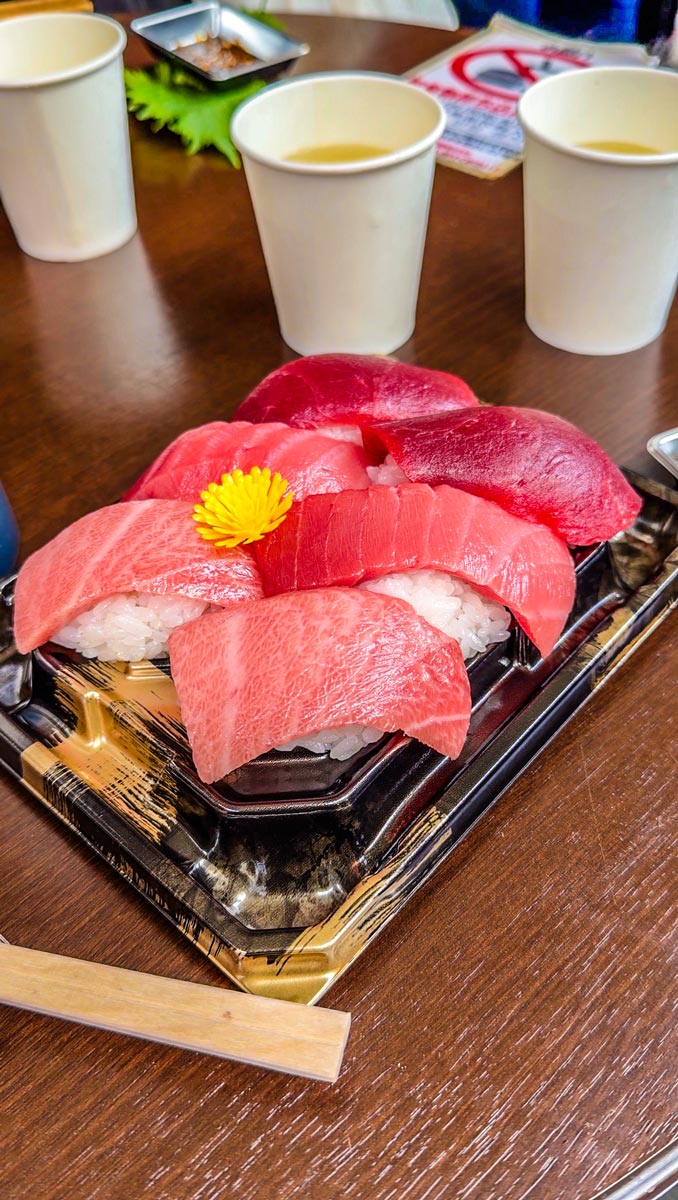
Arriving before 9 AM is the secret to a stress-free morning, much like our experience avoiding the Asakusa street food lines. This is the best time to grab Sushi & A5 Wagyu before the 10 AM rush. We arrived by 9:30 AM, and it was already buzzing. For the best experience, head straight to Maguroya Kurogin Tsukiji Honten for the Famous Fatty Tuna Trio (Otoro, Chutoro, and Akami) at the standing sushi bars.
Price: this set is currently 3,000 - 3,800 yen.
After receiving our sushi, they brought us to a standing table. Our sushi came with a packet of soy sauce and some wasabi. They also came to the table and gave everyone a cup of warm green tea since it was very chilly outside.
Thoughts: Despite the crowds, the Tsukiji Fish Market is still worth visiting, especially if this is your first time in Tokyo. I just would not build your entire morning around it. For us, about 30 minutes was enough before it started to feel more crowded than enjoyable.
2. Tsukiji Ihachi Nigo: The A5 Wagyu Secret
While most people wait in hour-long lines for Wagyu, head down one of the side roads where you'll find Tsukiji Ihachi Nigo. They serve authentic A5 Wagyu skewers with virtually no wait; this was a major highlight of our morning. The Wagyu was tender and melted in your mouth like butter!
Price: They offer two sizes. A small Wagyu Skewer is 3,300 yen, and a large is 4,000 yen. We found the small size to be quite generous, especially since it is so rich.
3. Art Aquarium Museum: A Sensory Masterpiece
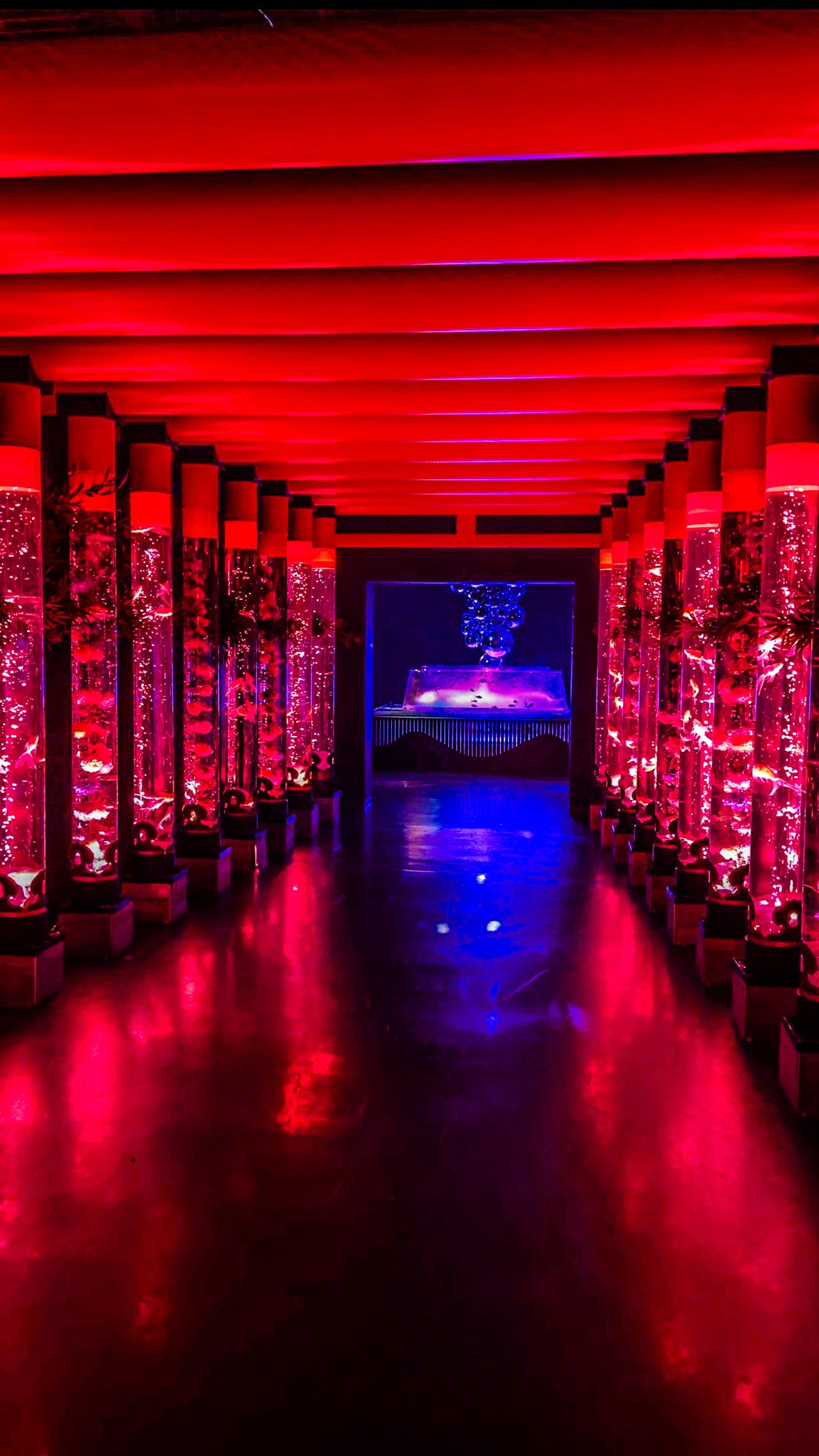
The Aquarium Art Museum in Ginza ended up being one of the most visually unique stops of the day. Located inside the Mitsukoshi Mall, this is a surreal fusion of nature and design. It features thousands of goldfish swimming through backlit, intricately carved glass vessels. The lighting creates a moving piece of art that is incredibly peaceful and perfect for your feed.
We bought our Art Aquarium tickets on Klook upon arrival and headed straight in. The exhibit was not crowded and we had plenty of space to explore and take fun pictures and videos.
Note: The museum is inside the mall, which opens at 10 AM, making this the perfect first stop after your sushi breakfast.
4. Ginza Mitsukoshi Depachika: The Food Paradise
Right after the Aquarium Art Museum, I wanted to explore a depachika, and it worked out perfectly because we were already inside Mitsukoshi Ginza, which has a Depachika on the basement level, right below the aquarium. As a food writer, it was a "must-visit" for me to see Japan’s version of an elevated food hall.
In these unique culinary halls, you can find everything from $100 Square Watermelons, artisanal bento boxes, sushi, desserts, pastries, and seasonal treats that look almost too perfect to eat.
Pro-tip: Depachika are perfect for grabbing a quick bento box to eat on the rooftop garden or unique food gifts to bring home.
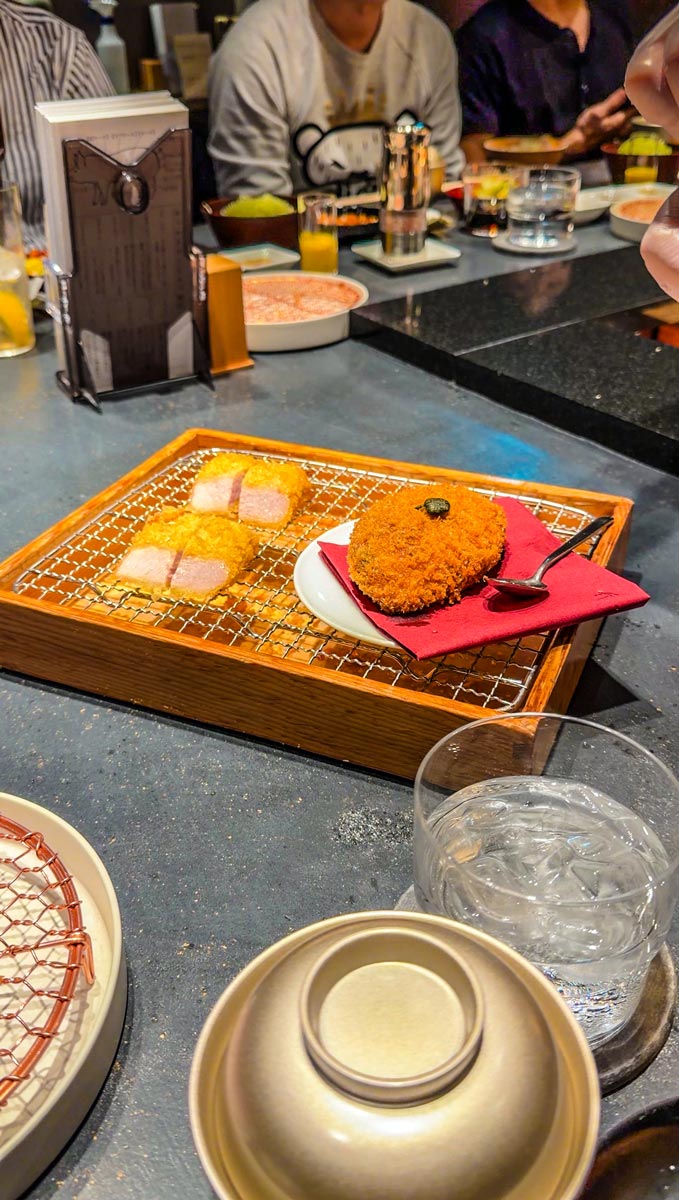
Pro-tip: You can often enjoy a significantly cheaper Michelin-star dining experience during lunch. This meal was $100 for two people, including drinks!
5. Ginza Katsukami 2: The 5-Course Michelin Experience
For lunch, we had an incredible meal at Michelin-starred Ginza Katsukami 2. It was a delicious 5-course experience featuring different cuts of panko-breaded pork. By booking for lunch, we had a world-class meal that was surprisingly affordable.
Pricing & Booking: In 2026, the Lunch Choice Course is approximately ¥5,500 ($38 USD). Reservations are mandatory via TableCheck, and they strictly enforce a 60-minute dining limit.
6. Uniqlo Ginza: The 12-Story Flagship
Chuo-Dori Street is the shopping epicenter of the neighborhood, and on weekends, the street closes to traffic, which makes it even more enjoyable to walk. You will find designer stores, Itoya Stationery, and the famous 12-story Uniqlo Ginza all in the same general area.
This Uniqlo isn't just a clothing store; it’s a landmark. Since we traveled to Japan in February, we quickly realized we were not fully prepared for how cold it would be. This made Uniqlo the perfect store for us to visit. We ended up buying gloves, hats, extra heat tech leggings, and undershirts. The good news is that Uniqlo in Japan is significantly cheaper than the stores in the US!
7. Yurakucho Gado-shita: The "Hidden" Izakaya Street
Located under the train tracks, this atmospheric street is lined with red lanterns and smoky yakitori stalls. The vibration of the trains overhead adds a gritty, "local" contrast to Ginza’s luxury.
Part 2: Roppongi (The Afternoon & Night)
After a quick hotel refresh, we headed to Roppongi. This area feels like a sleek business district by day and a glittering entertainment hub by night.
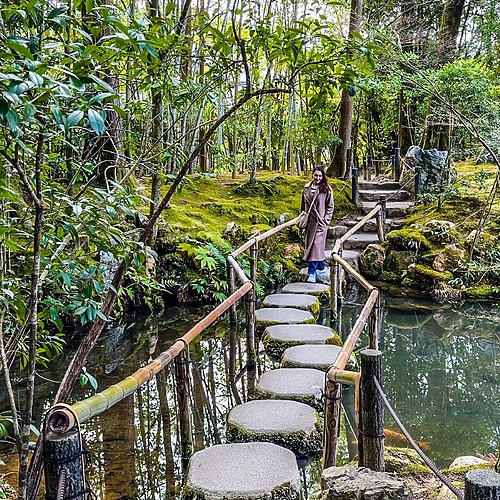
8. Hie Shrine: The Hidden Torii Path
Before the sun sets, visit Hie Shrine (Hie-jinja). It features a stunning path of red Torii gates, a less crowded alternative to Kyoto's Fushimi Inari, but it’s an upscale, quiet "hidden gem" right in the business district that most tourists miss.
If you are visiting in June 2026, you are in luck: this shrine is the heart of the Sanno Matsuri (June 7–17), one of Tokyo’s three most famous festivals. During this time, the quiet business district transforms with traditional costumes and massive parades.
9. Azabudai Hills Sky Lobby: The Best View
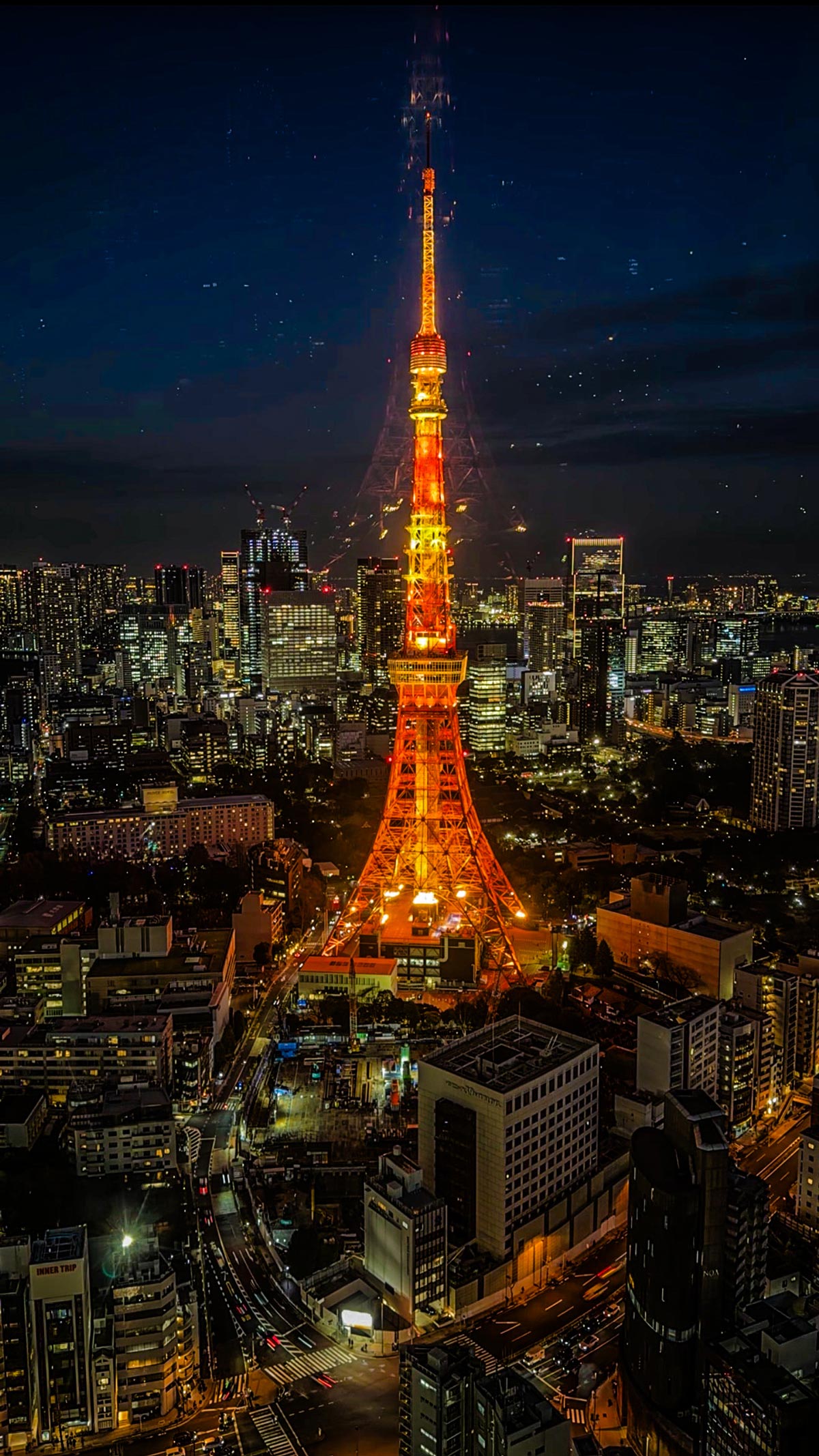
We opted for Azabudai Hills over the traditional Tokyo Tower climb. It’s taller and offers a front-row seat to the skyline. In order to enjoy the observation deck you're required to visit the Sky Room Cafe & Bar and make a purchase.
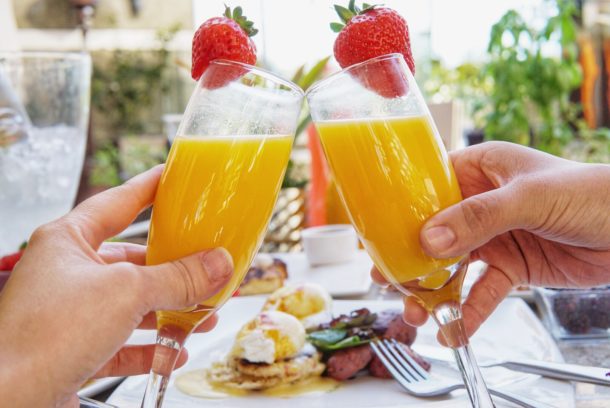
We were actually delighted to see they had sparkling wine and enjoyed some pre-dinner drinks before watching the sparkling tower light up against the night sky.
2026 Entry Tip: General public access is no longer free. To get this view, you now must be a customer of the Sky Room Cafe & Bar and place an order or dine at one of the 33rd-floor restaurants.
10. TeamLab Borderless: Immersive Digital Art
Now located within the Azabudai Hills complex, TeamLab Borderless is a world-class interactive museum. In 2026, this is a "must-book" spot that requires reservations weeks in advance.
Pro-Tip: Wear white or light-colored clothing so the projections use your body as a canvas, and avoid skirts due to mirrored floors.
11. Tokyo Tower: An Illuminated Icon
After seeing it from above, walk to the base of Tokyo Tower. Seeing the orange glow against the night sky is the quintessential Tokyo moment. Head to the Shiba Park side for the best photos without the long queues at the "stairwell view."
12. Bar Centifolia: The Art of the Cocktail
For a taste of Roppongi's elite nightlife, head to Bar Centifolia. The cocktails here are more like a theatrical performance than a drink. It’s pricey, but the skill involved is world-class.
Booking Note: This spot is highly sought after in 2026, so booking reservations for Bar Centifolia on Tablecheck is a must. Be aware that they now have a 90-minute seating limit and charge a ¥1,000 booking fee for counter seats. It’s pricey (expect cocktails to be ¥4,000+), but the skill involved is world-class and worth it for a special night out.
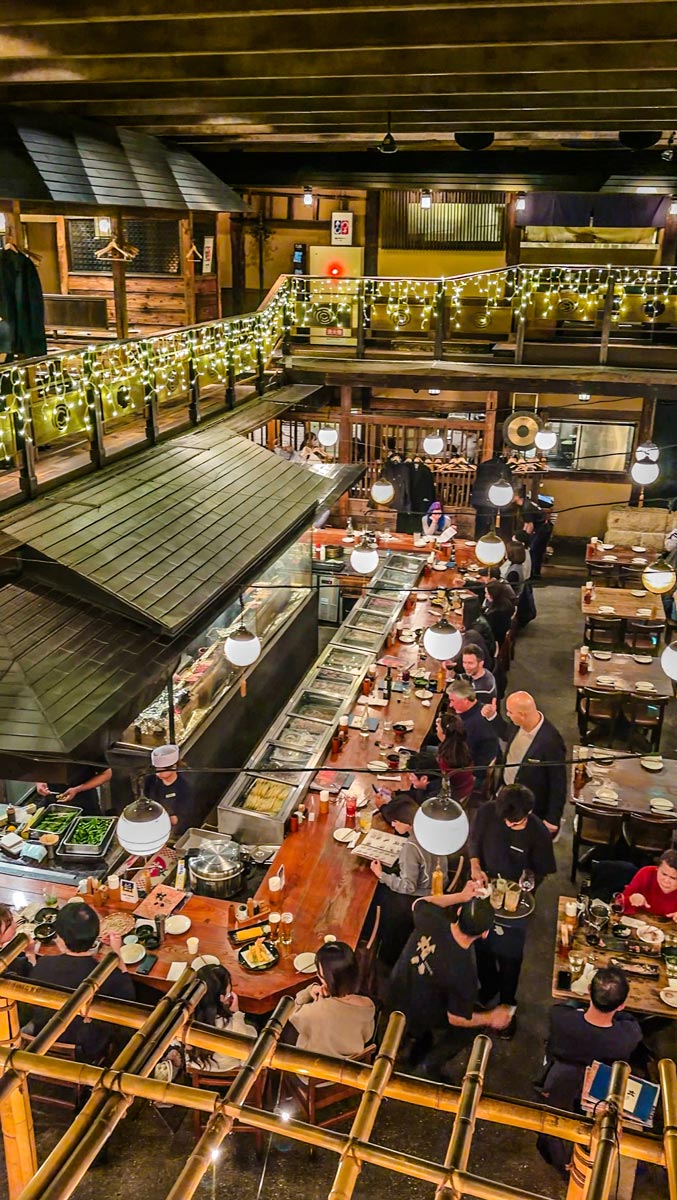
13. Gonpachi Nishi-Azabu: The "Kill Bill" Izakaya
We concluded our night at Gonpachi, the legendary wooden restaurant that inspired the "House of Blue Leaves" fight scene in Kill Bill. It is loud, social, and serves an extensive menu ranging from charcoal-grilled meat skewers to fresh sushi, making it the perfect spot for every palate.
The Vibe: Everyone here is incredibly friendly. The atmosphere is so high-energy that it’s easy to strike up a conversation, and we even ended our night making new friends from Australia!
Pro-Tip: Ask for a seat on the balcony if you want the iconic "movie set" view, but sit at the bar if you want to be in the heart of the action and meet fellow travelers.
The Experience: We opted to sit at the bar, which gave us a front-row seat to the open kitchen. Watching the chefs navigate the flames and prep fresh skewers is a performance in itself.
14. Mori Art Museum & Roppongi Hills
Located on the 53rd floor of the Mori Tower, this museum is famous for its late hours (open until 10:00 PM). It remains the anchor of the Roppongi art scene, and your ticket often includes the Tokyo City View observation deck.
15. Hama-Rikyu Gardens: The Green Escape
Situated between Ginza and Roppongi, these beautiful gardens feature a tidal pond and a charming tea house. It’s the perfect way to reset and see the "Old Tokyo" before diving into the Roppongi nightlife. We had an amazing view of Hama-Rikyu Gardens from our incredible hotel, the MESM Autograph Collection.
Final Thoughts on the Best Things to Do in Ginza and Roppongi
Combining Ginza and Roppongi offers a flawless look at Tokyo’s duality, where Edo-period traditions meet futuristic luxury. From our $100 Michelin lunch to the sparkling wine at Azabudai Hills, this itinerary ensures you experience the city at its most refined.
Logistics & FAQ
What is the best way to get from Ginza to Roppongi?
The most efficient way is the Hibiya Line (Silver), which connects Ginza Station directly to Roppongi Station or Kamiyacho Station in under 15 minutes. While we took Ubers for convenience on our first day (which cost between $15–$25), the subway is much more cost-effective at approximately $1.50 per trip.
Is Azabudai Hills free to visit?
No, as of 2026, the Sky Lobby is no longer open for free public viewing. To access the observation area, you must have a reservation or be a guest at the Sky Room Cafe & Bar on the 33rd floor. While it requires a drink purchase, it remains much less crowded than Shibuya Sky and offers a superior, unobstructed view of Tokyo Tower.
Where can I find the best lockers or luggage storage in Ginza?
Ginza is famous for its shopping. If you are not staying at a nearby hotel, Ginza Station has extensive coin locker banks. If those are full, head to the Ginza Six service desk, which offers a dedicated luggage storage and delivery service so you can shop hands-free.
What is the best time to visit the Hie Shrine Torii Gates?
I recommend visiting during the "Golden Hour" just before sunset. The light hits the vermillion gates beautifully for photos. If you are in Tokyo between June 7th and 17th, 2026, visit during the day to catch the Sanno Matsuri festivities, which feature incredible historical processions through the shrine grounds.
 Sondra Barker