Planning a trip to Japan can feel overwhelming at first. Between navigating the train system, booking hard-to-get reservations, and figuring out logistics in a completely different culture, it’s easy to miss important details.
To make things easier, I’ve put together this Japan travel checklist with the essential things to do before going to Japan. These are all the exact steps I took for my own trip, and they made the entire experience smooth, stress-free, and incredibly enjoyable.
With a little preparation, you can avoid long lines, unnecessary delays, and confusion—and instead focus on fully experiencing everything Japan has to offer from the moment you land.
Japan Travel Checklist At a Glance
Before your flight, focus on the details that will make the biggest difference once you land:
- Set up your transit and payment essentials before arrival
- Make sure you will have reliable data from the moment you land
- Book the reservations that are hardest to get
- Plan for airport transfers, luggage, and day-to-day navigation
- Pack for the weather, and for far more walking than expected
- Download the apps and basics that will make Japan easier to navigate
1. Set Up Your Suica Card
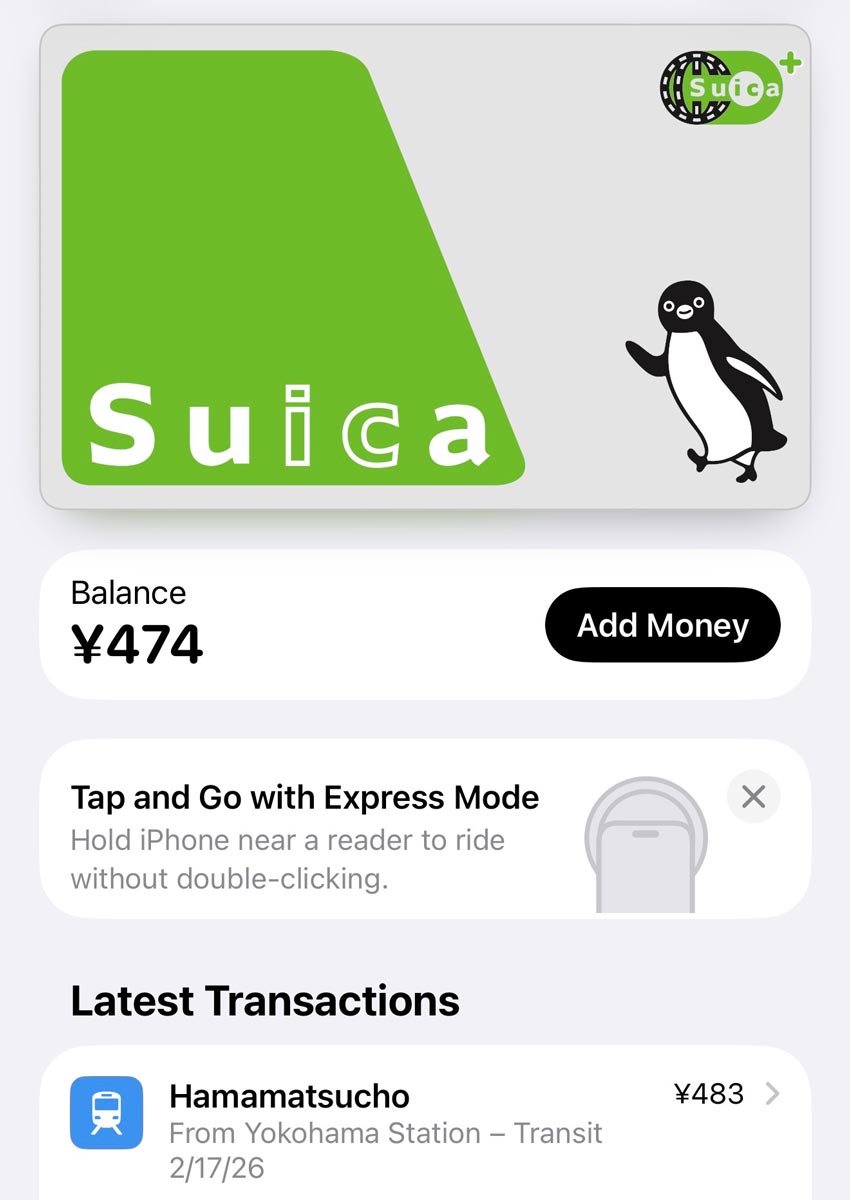
The Suica card is one of the most important things you’ll use in Japan. It works across the entire train system and can also be used at convenience stores, vending machines, and even some restaurants.
If you have an iPhone, the easiest option is to add Suica directly to your Apple Wallet. You can load money instantly from your phone and top it up anytime, which makes getting around incredibly seamless. One of the best parts is that even if your phone battery dies, your Suica card will still work for transportation.
Troubleshooting: It is recommended to use an American Express or Mastercard to top off your Suica, as some Visa Cards can have a regional block.
If you don’t have an iPhone, you can easily pick up a physical card at the airport when you arrive.
2. Buy an eSIM for Japan
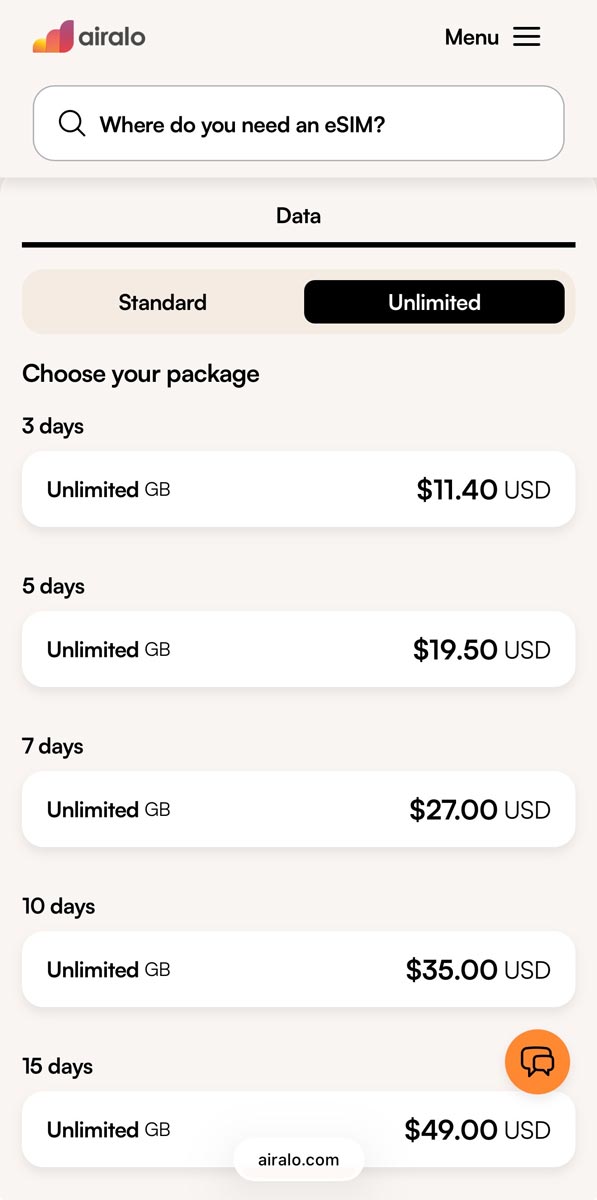
Reliable data is the difference between finding a hidden izakaya and getting lost in a basement mall. You’ll be using your phone constantly for directions, train routes, and restaurant searches. I highly recommend using an eSIM instead of relying on Wi-Fi or physical SIM cards. They’re easy to set up, activate as soon as you land, and are surprisingly affordable.
I personally used Airalo during my trip and had fast, reliable 5G service everywhere, even underground in train stations. I chose their unlimited data plan, which costs around $35 for 10 days. During my entire trip to Japan, I had quick 5g data and no reduced data speeds.
3. Book Japan Reservations in Advance
Reservations in Japan can be one of the trickiest parts of planning your trip. Most bookings open one month in advance, while others release two weeks prior, often at very specific times.
For anything popular, you’ll need to be ready the moment reservations go live. I highly recommend setting alarms on your phone so you don’t miss out.
Shinkansen Tickets
Booking your Shinkansen tickets in advance is highly recommended.
Tickets typically become available one month ahead during standard business hours. Booking early allows you to:
- Select your seats
- Access discounted Green Car (first class) tickets
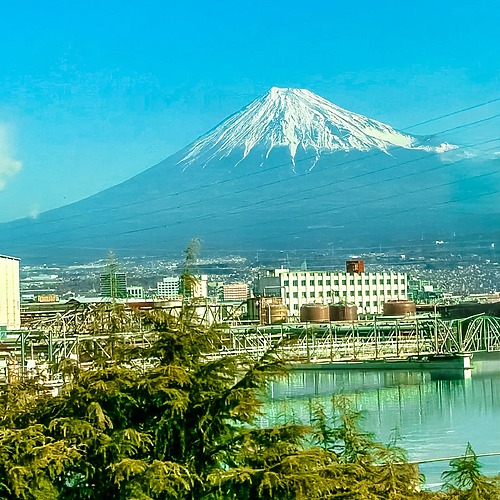
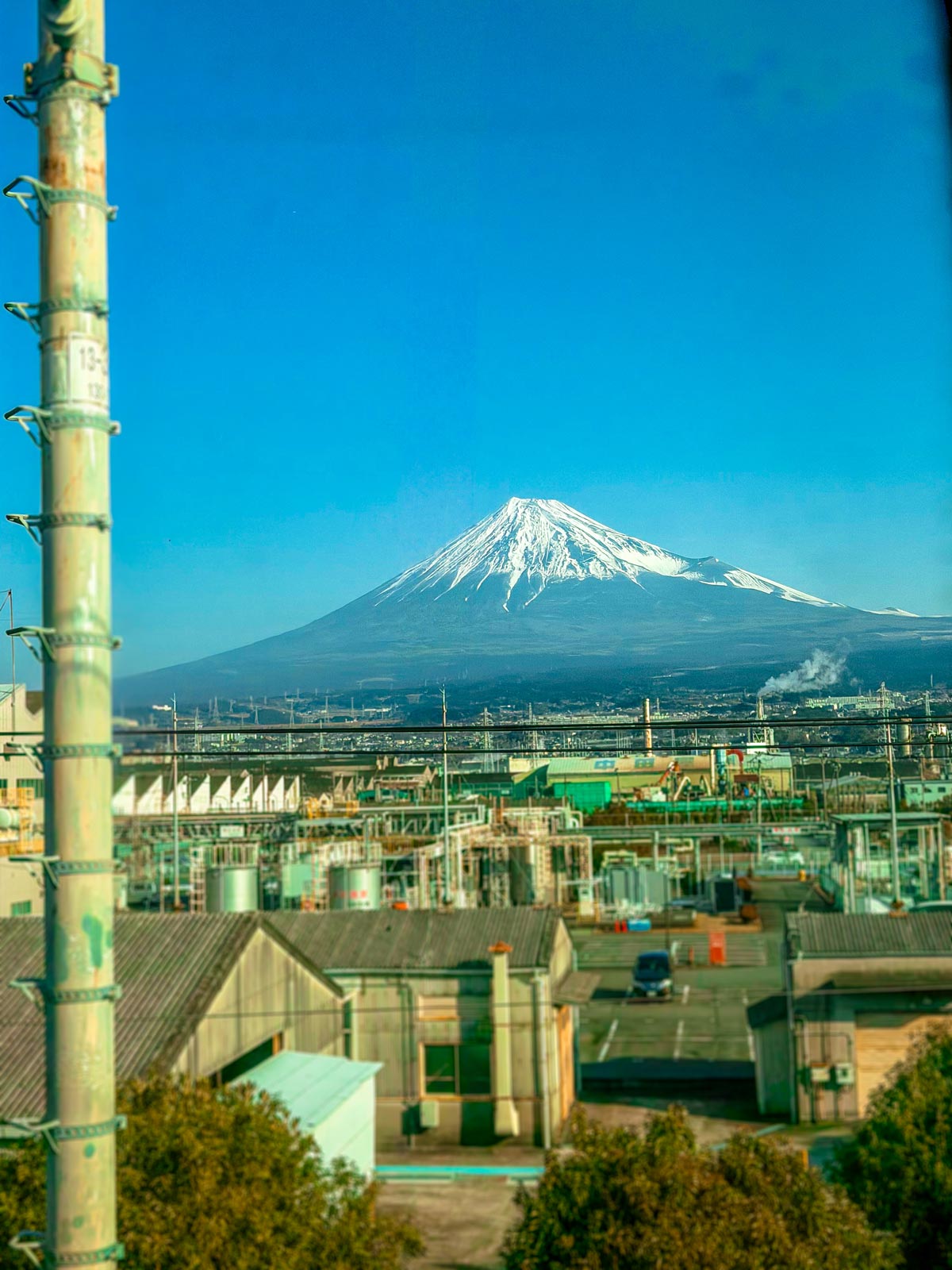
- Choose seats with views of Mount Fuji when traveling between Tokyo and Kyoto or Osaka
If your luggage total dimensions (length + width + height) exceed 160cm, you must reserve a "Seat with Oversized Baggage Area. If not, you could be fined or even forced to give up your seat.
For regular city trains, no advance booking is needed, just tap your Suica card and go.
Follow my step-by-step guide on how to book Shinkansen tickets to secure the best seats and discounts.
Attractions
Many of Japan’s top attractions sell out quickly, and some are extremely competitive.
For example:
- Shibuya Sky tickets go on sale two weeks in advance at midnight (Japan time), and sunset slots sell out within seconds
- Ghibli Museum tickets are released on the 10th of each month at 10:00 AM JST
- Pokémon Cafe reservations open 31 days in advance at 6:00 PM JST
If you’re not ready at the exact release time, you’ll likely miss out—so planning ahead is key.
Restaurants
Japan has an incredible culinary scene, but many of the most sought-after spots require reservations. Michelin-starred and Bib Gourmand restaurants often have limited seating, and even viral social media spots now take reservations. Without one, you could easily be waiting in line for over an hour.
With proper planning, you can skip the wait entirely. During my trip, I was able to book unforgettable experiences, including a Michelin-starred Tonkatsu lunch, Valentine’s Day dinner overlooking Tokyo Skytree, and dining at a famous izakaya featured in Kill Bill.
Many restaurants use platforms like TableCheck, and in some cases, you may need to pay in advance.
4. Complete Your Customs Form in Advance
Before your trip, fill out your customs and immigration information through Japan’s official online system and generate your QR code. This allows you to skip paperwork at the airport and use a faster line when you arrive, which easily saved us 30 minutes upon arrival at the Haneda airport.
5. Plan Transportation from the Airport
Getting from the airport to your hotel is one of the first decisions you’ll make, and it’s worth planning in advance.
Hire a Driver
This is the most convenient option, especially after a long flight. You can book a private transfer on Klook for around $100, and it was worth every penny. Our driver was waiting right outside baggage claim with a sign, and within minutes of grabbing our luggage, we were on our way to the hotel—no confusion, no stress.
Take the Limousine Bus
Despite the name, this is a comfortable airport bus with multiple drop-off locations throughout the city.
It’s a much more budget-friendly option, and tickets can be purchased directly on Klook or at the airport.
Take the Train
Both Haneda Airport and Narita International Airport have express trains into the city.
This is efficient and affordable, but if it’s your first time in Japan, navigating trains with luggage can feel a bit overwhelming. You may also need to transfer or take a short taxi/Uber ride to your hotel. Many people, however, opt to take the train, and you can easily book tickets for the Narita Express on Klook.

6. Use Luggage Forwarding (Takkyubin)
If you’re traveling between cities, luggage forwarding can make your trip significantly easier. Using services like Yamato Transport, you can send your suitcase directly from one hotel to the next for around $20 per bag.
This allows you to travel with just an overnight bag while your luggage arrives the following day. No dragging suitcases through busy train stations.
7. Get Yen (Cash)
While Japan has become more credit card-friendly, cash is still essential in many situations. You can withdraw yen from ATMs at places like 7-Eleven Japan, which are known for accepting international cards without extra fees.
Our hotel at the MESM also had a cash exchange machine that let you insert USD and get Yen in return. This was our easiest option, and we were glad we brought a few hundred in USD with us in cash.
Some food stalls, smaller shops, and most temples and shrines are cash-only, so it’s always good to have yen on hand.
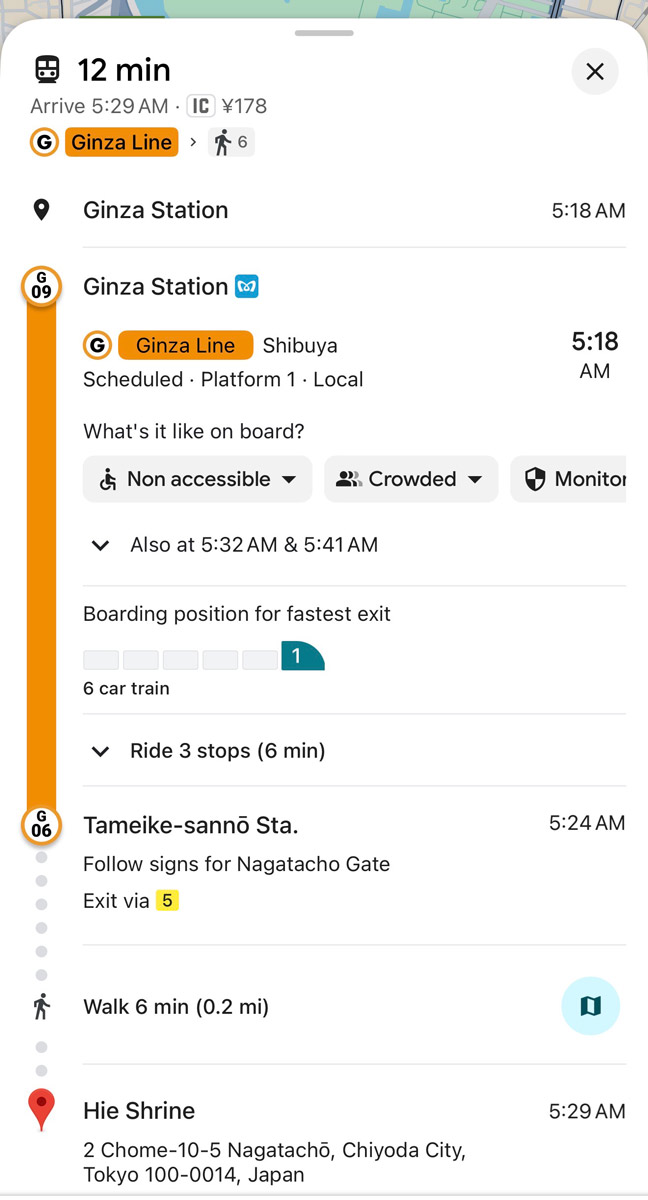
This is what the local Japanese train directions look like when you retrieve directions on Google Maps. Notice it tells you the train line and what platform to wait on.
8. Use Google Maps for Everything
Google Maps is absolutely essential, but it’s important to research your routes before you arrive. Distances in Japan are often longer than they appear on a map. For example, Shibuya and Shinjuku look close, but the walk between them is actually 45 minutes.
This is especially true in Kyoto, which is very spread out. Getting from Yasaka Pagoda to Arashiyama is a 50-minute train ride, and many locations require a bus or an Uber rather than a quick walk. By mapping these routes in advance, you can group activities by neighborhood and avoid spending your entire trip in transit.
Using the directions feature will help you:
- Understand travel times
- Compare routes
- Learn the train system more quickly
You’ll also notice that the fastest route isn’t always the easiest, so reviewing options ahead of time can save you a lot of stress. By researching the directions in advance, I was already familiar with the train stations before I arrived in Japan.
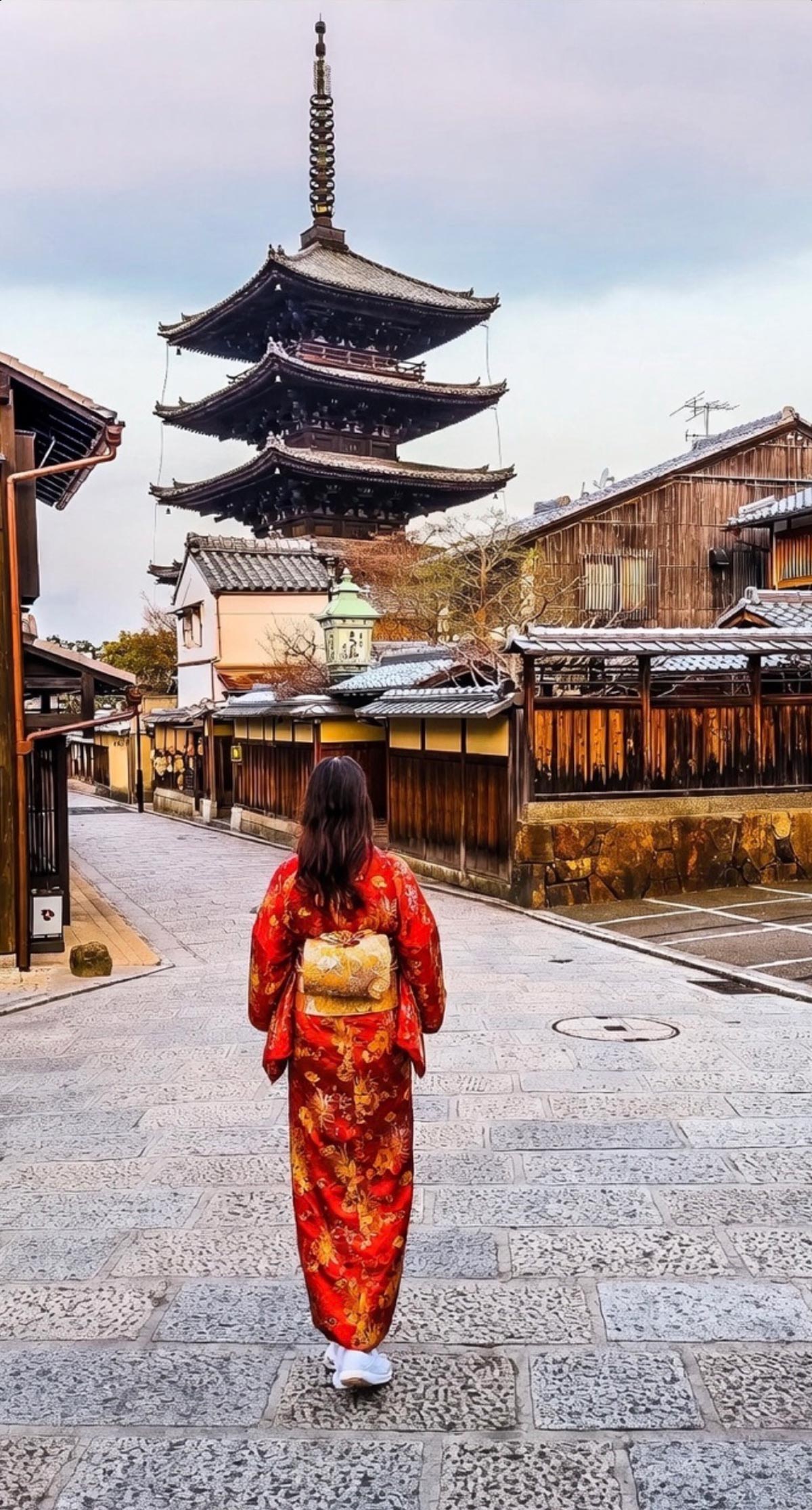
Yasaka Pagoda at 7am with no crowds.
9. Pack Smart Travel Essentials
There are a few items that are especially useful in Japan and easy to overlook:
- A small microfiber towel (many restrooms don’t have hand dryers)
- A coin pouch (you’ll accumulate a lot of yen coins)
- A stamp booklet (for collecting Eki stamps at temples and train stations)
- A small reusable bag for trash (public trash cans are surprisingly rare)
- Comfortable Sneakers are an absolute must in Japan, and trust me, you want to bring your tried and true sneakers or purchase shoes to test out a few months in advance. Do not bring brand-new shoes. I brought 3 pairs of shoes, and one was brand new, which everyone raved about being so comfortable. Well, those On Cloud shoes hurt my feet so bad after only one hour that I had to go back and change my shoes, and my large toe was painful to walk on for several days.
10. Learn a Few Basic Japanese Phrases
While many people in Japan do speak some English, that’s not always the case. Learning a few basic phrases goes a long way, not just practically, but culturally as well.
I found that locals genuinely appreciated the effort, and I did need to use many of these phrases often.
Here are some of the most useful phrases:
- Onegaishimasu — Please
- Ikura desu ka — How much is it?
- Sumimasen — Excuse me
- Toire wa doko desu ka — Where is the bathroom?
- Kore kudasai — This, please
- Kore wa nan desu ka — What is this?
- Oishii desu — It’s delicious
- Fukuro — Bag
- Daijoubu desu — No thank you / I’m okay
- Arigatou gozaimasu — Thank you
- Cardo de ii desu ka — Do you take card?
- Ohayou gozaimasu — Good morning
- Konbanwa — Good evening
11. Download Essential Apps
There are so many special apps I used to help me navigate Japan. Below are some of the apps that I found most useful and would recommend.
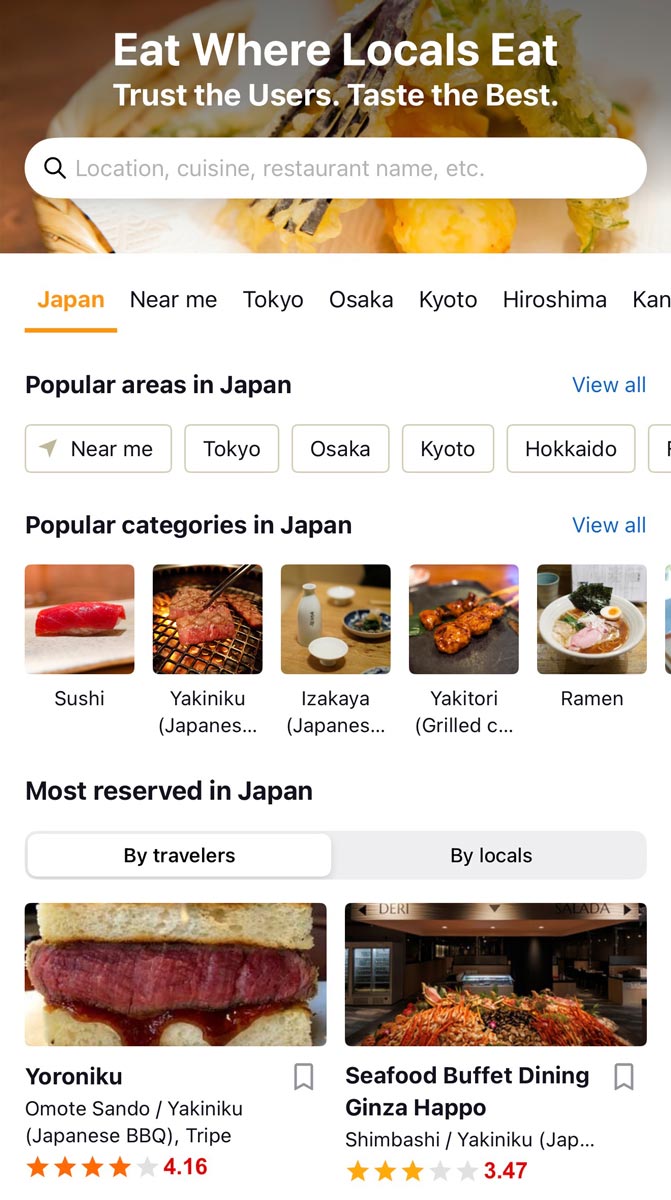
- Google Translate: It's a must, and I actually needed to use it at a train station to make sure I was getting on the right train. The locals know how to use Google Translate if they do not speak English.
- Google Maps: I exclusively used Google Maps to get us around Japan. It is highly accurate, and I love the Bookmark feature. Be sure to check out my Tokyo 4-Day Itinerary article, which has a link to all my Google Map Food, Attractions, and Shopping Bookmarks!
- Klook: This is one of the most popular apps for booking local attractions in Japan.
- Tabelog: This app is incredibly popular for looking up local restaurant ratings and making reservations at local Japanese restaurants. Tabelog is the Yelp of Japan, and anything above 3 stars is considered really good since Japanese people are much more critical in their ratings.
Be sure to visit my full list of The Most Popular Apps to Download for Japan
12. Learn Japanese Etiquette
Japan has so many rules that it can be overwhelming, so don't stress if you aren't the perfect tourist. Knowing these important etiquette tips can help you during your time in Japan and make your stay easier.
- Garbage: Japan does not have garbage cans everywhere like we've become accustomed to in the US. You will often be holding onto your trash for quite some time, which is why many people bring along disposable trash bags to keep in their bags while out and about.
- Eating While Walking: In Japan, locals do not eat food while they are walking. This is because it's a crowded city and they want to avoid spilling food on people or the ground. It is customary to finish your food in front of the food vendor, then dispose of your trash in their trash cans.
- Being Quiet on the Trains: You'll notice in Japan, people are very quiet on the trains, do not talk loudly, and do not talk on their phones.
13. Research the Weather
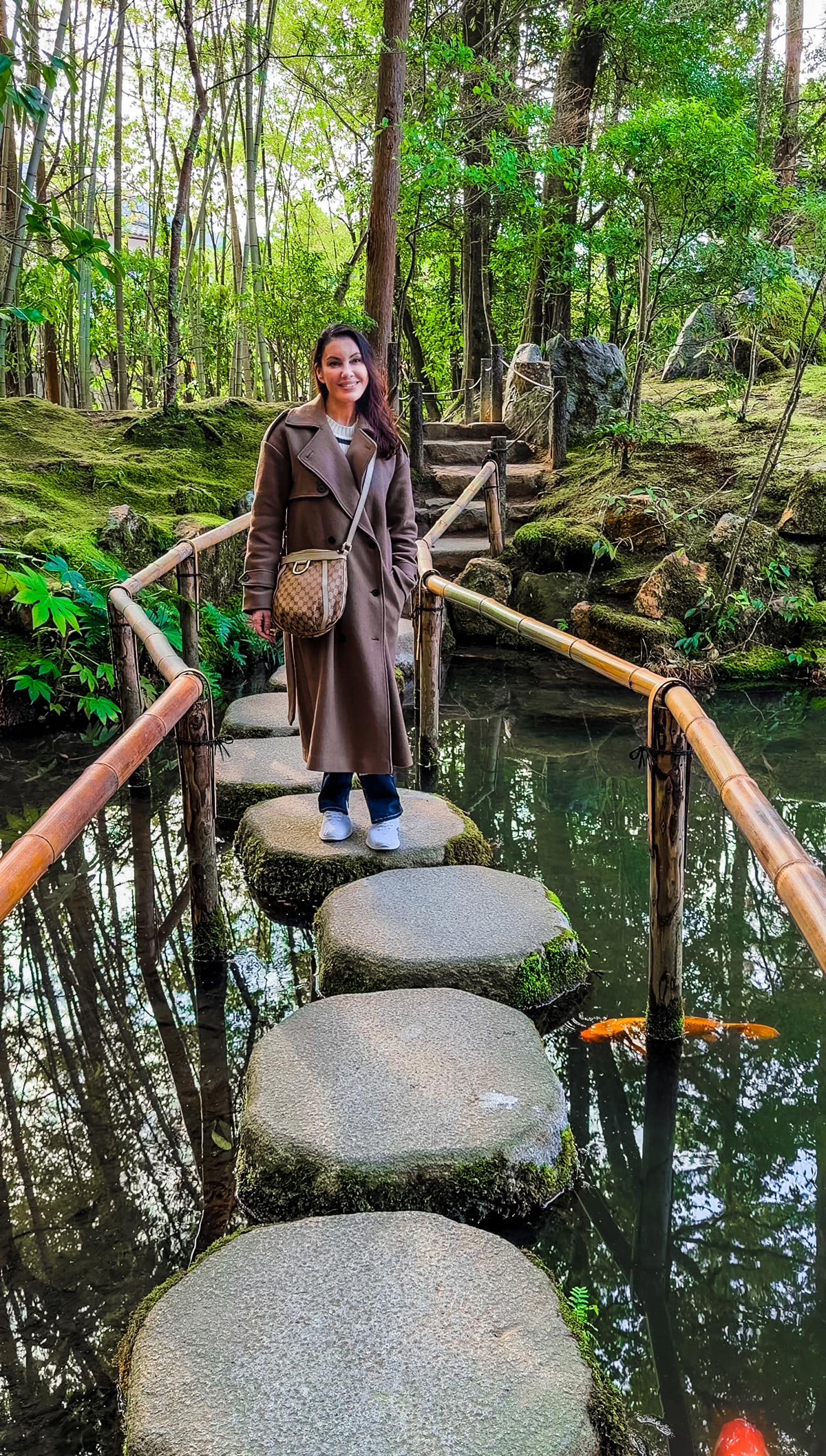
Japan's weather can be drastically different than the weather you are used to. For example, I live in Southern California, and it is rarely ever below 60 degrees. When I travelled to Japan in February, we were freezing, and it was around 30 degrees. During our first day in Ginza, we had to visit the 12-story Uniqlo store to purchase extra Heattech leggings, hats, and gloves.
Likewise, Japan's summers can be incredibly humid and so uncomfortable that you may opt not to travel during that time.
Klook.com14. The "Digital Wallet" Regional Lock
Before you leave your home network, open your banking app and ensure "International Online Purchases" is toggled on. Many modern cards (like Chase or Monzo) have a separate security layer for digital transit cards like Suica. If you don't activate this while still in the US, your bank may block your top-ups once you land. Since you can't always receive a verification SMS on a Japanese eSIM, troubleshooting this at home is a must for a stress-free arrival.
15. Research Your Medications
There are a handful of popular US medications, both prescription and over the counter, that are completely banned in Japan. Some can even get you into trouble with customs if they are accidentally brought into the country, and others need special permission (Yunyu Kakunin-sho Certificate), which can take 60 days to obtain. Below are some popular medications that are banned in Japan. Please make sure to read about Drug Safety in Japan well in advance.
The 8 Restricted Ingredients and Their Brand Names
- Pseudoephedrine (The most common ban)
- Specific Medications: Sudafed, Advil Cold & Sinus, Claritin-D, Allegra-D, Zyrtec-D, Tylenol Cold & Flu, Vicks Inhalers, and Actifed.
- Codeine (Classified as a narcotic)
- Specific Medications: Tylenol with Codeine (Tylenol #3), Robitussin AC, and various prescription-strength cough syrups.
- Dextromethorphan (Added to "Abuse-Risk" list in 2026)
- Specific Medications: NyQuil, DayQuil, Robitussin DM, Delsym, Mucinex DM, and Theraflu.
- Diphenhydramine (Added to "Abuse-Risk" list in 2026)
- Specific Medications: Benadryl, ZzzQuil, Aleve PM, Advil PM, Tylenol PM, and Unisom.
- Dihydrocodeine (Strong narcotic suppressant)
- Specific Medications: Specialized cough suppressants and pain relief (often found in generic "cough and cold" pills labeled for "severe" relief).
- Ephedrine (Strictly regulated stimulant)
- Specific Medications: Primatene Mist (epinephrine, but often confused with ephedrine) and various herbal "energy" or "sinus" supplements.
- Methylephedrine (Bronchodilator)
- Specific Medications: Found in combination asthma and "chest congestion" relief products.
- Noscapine (Antitussive)
Pro-tip: Look for the 'D' or 'PM': If your medicine has a 'D' (like Claritin-D) it likely contains Pseudoephedrine. If it has a 'PM' (like Advil PM), it likely contains Diphenhydramine. Both of these are high-risk for Japanese customs
Final Thoughts on What to Do Before Going to Japan
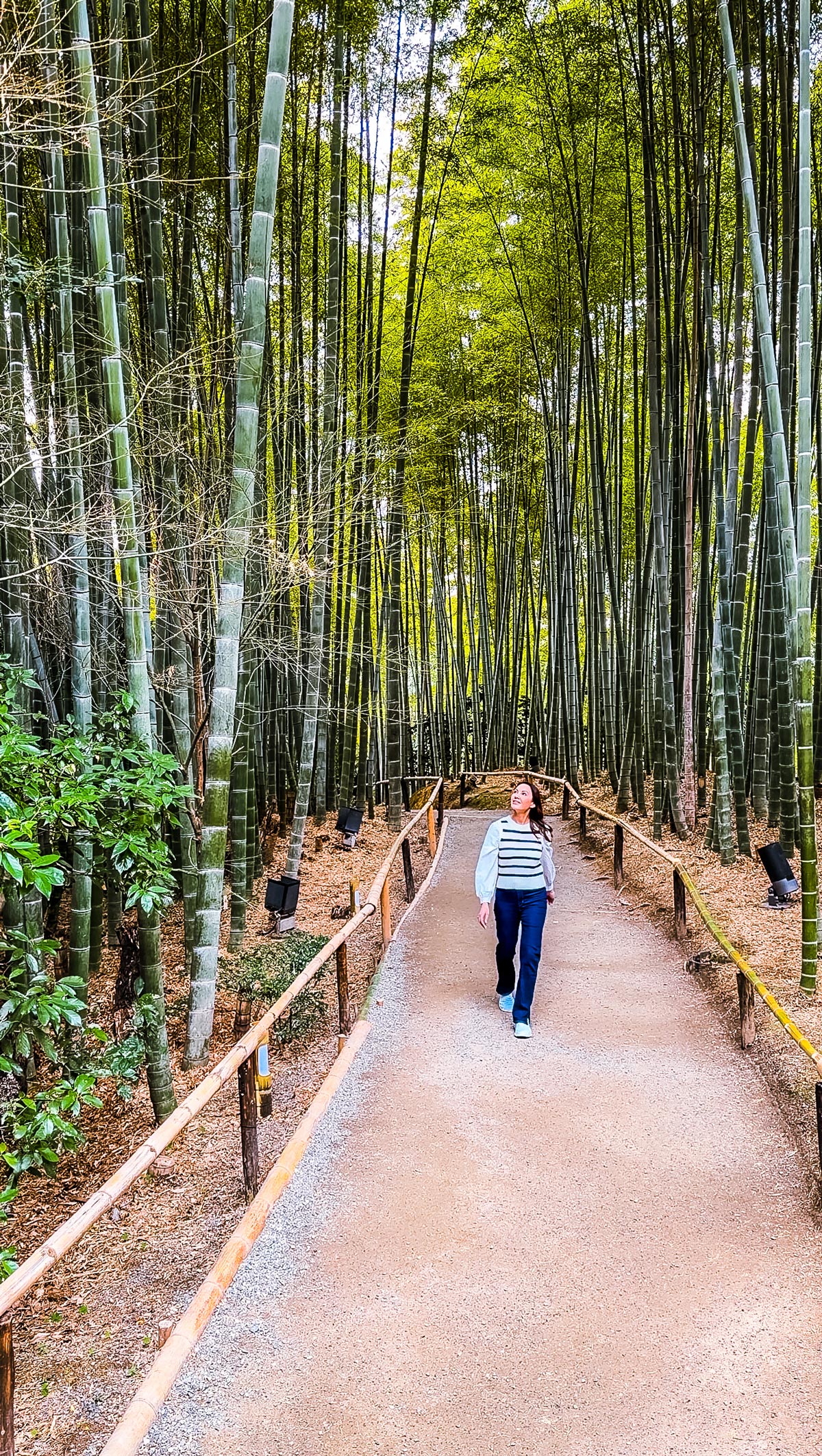
Japan is one of the most rewarding places I have ever traveled, but it is also a trip where preparation genuinely shapes the experience. The more you take care of before you leave, the more freedom you will have to enjoy the fun parts once you are there.
If this is your first trip, I hope this Japan travel checklist helps you feel more prepared, more confident, and more excited for what is ahead.
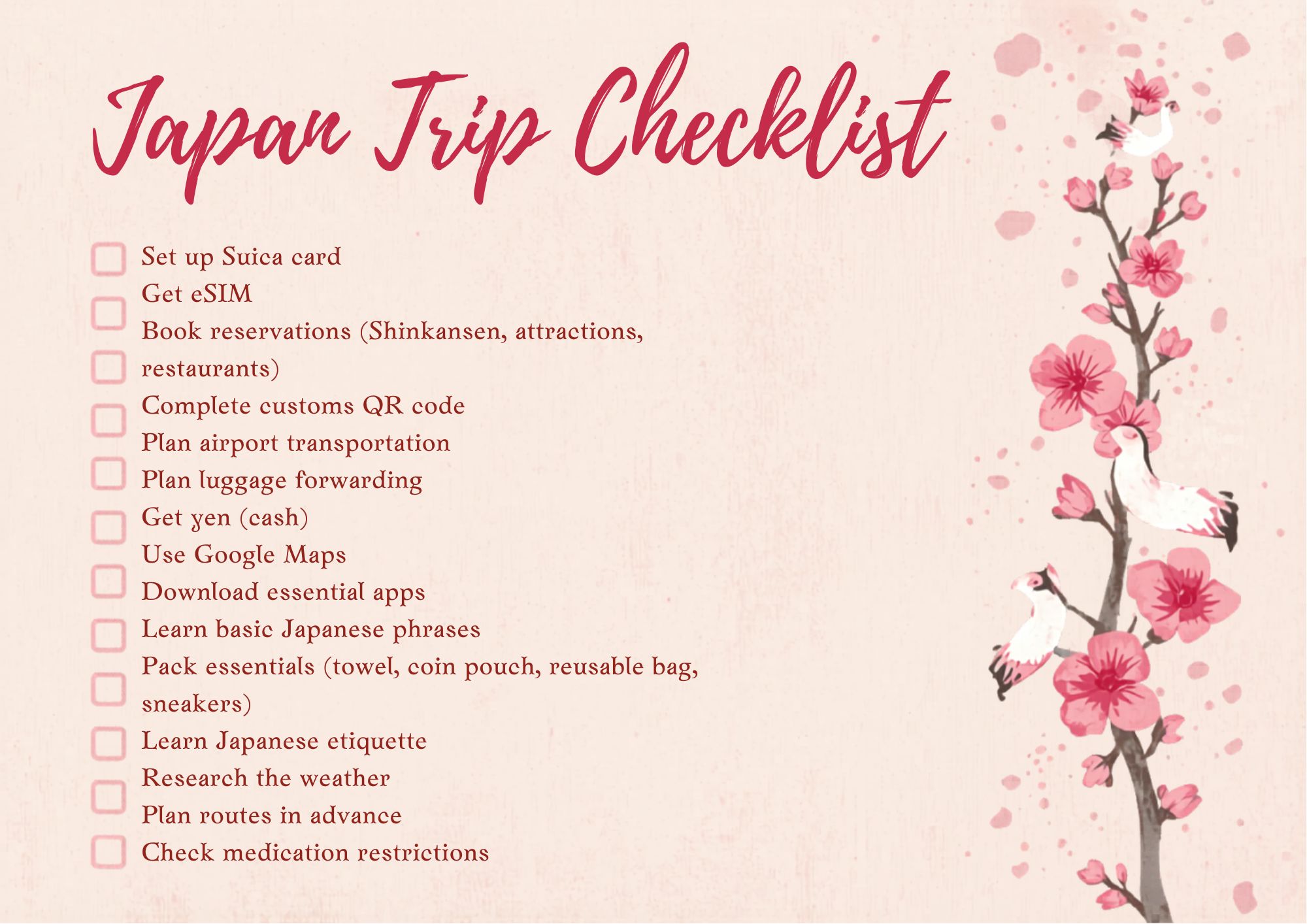
Here is a quick printable checklist of Things To Do Before Going To Japan
More Japan Guides to Help You Plan Your Trip
If you are still planning your itinerary, these guides will help you take the next step:
- Tokyo to Kyoto Shinkansen Guide: How to Book + Best Seats
- How to Skip Lines at Tokyo DisneySea & Disneyland
- Is the Tokyo Disney Vacation Package Worth It?
- Best Asakusa Food Vendors Near Sensō-ji Temple
- Hidden Gems in Kyoto Without the Crowds
- Nara Deer Tips: How to Interact Safely and Have the Best Experience
 Sondra Barker