Kyoto is easily one of the most beautiful and most visited cities in Japan. In recent years, tourism has reached an all-time high, and with that comes heavy crowds at many of the most famous temples, shrines, and attractions. What most visitors don’t realize, however, is that just steps away from these busy hotspots are quiet temples, serene gardens, and hidden corners that remain largely undiscovered.
While places like Fushimi Inari Taisha and Kiyomizu-dera are must-see attractions, they’re not the only way to experience Kyoto. If you’re looking for a more relaxed and authentic side of the city, these are the hidden gems in Kyoto I discovered that most tourists completely miss.
If this is your first time visiting Japan, here are also some important Japan travel tips you should know!
Hidden Gems in Kyoto: Quiet Alternatives to Arashiyama Bamboo Grove
The Arashiyama Bamboo Grove is one of the most iconic sights in Kyoto, but it’s also one of the most crowded. What many visitors don’t realize is that there are multiple bamboo groves and forested paths throughout Kyoto where you can have a much quieter and more peaceful experience.
Kodai-ji Temple
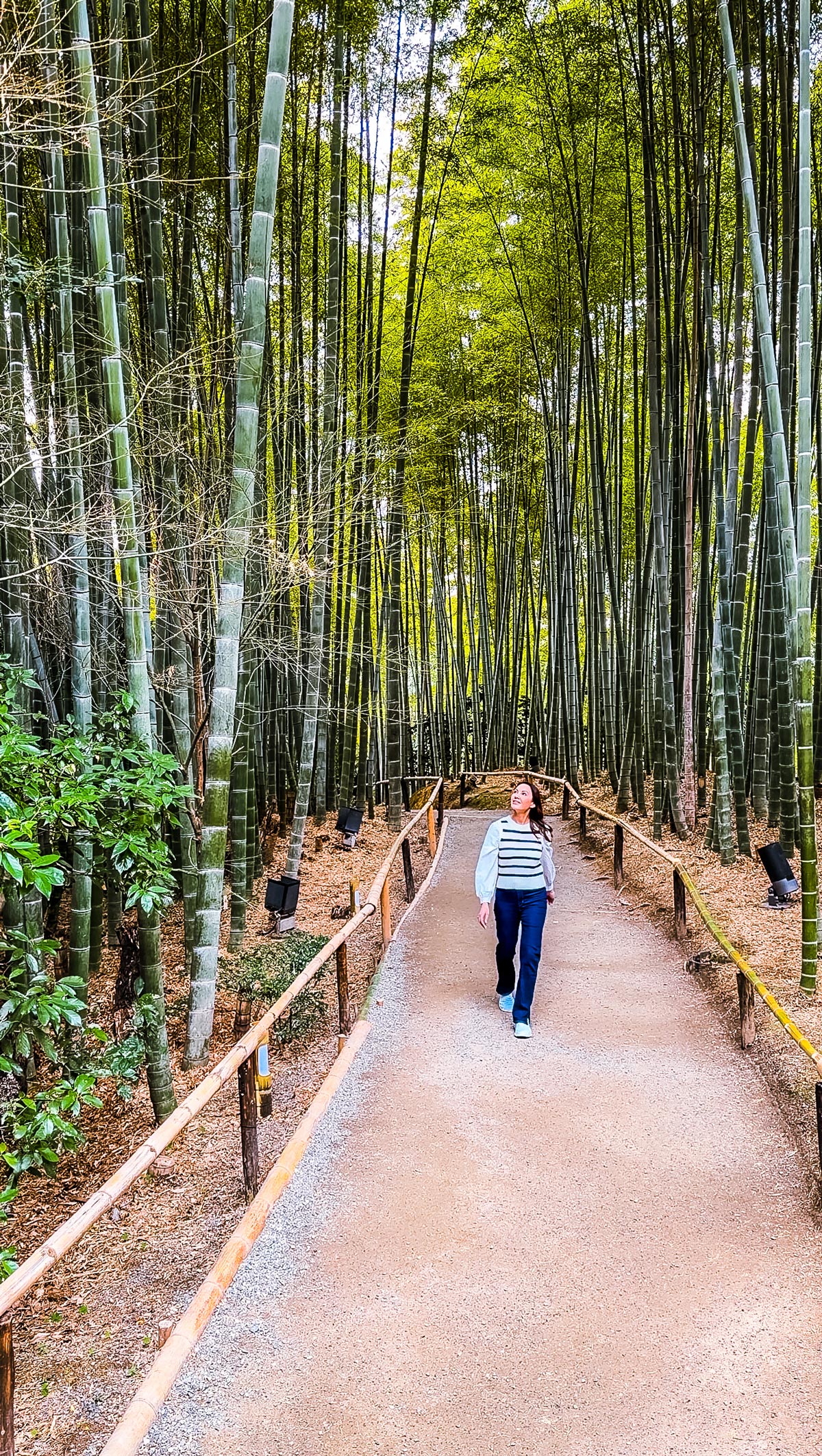
During my time in Kyoto, I stayed in the Gion area and chose to visit Kodai-ji Temple instead of heading out to Arashiyama. As you walk along the paths surrounding this Buddhist temple, you’ll come across a small bamboo grove that feels incredibly peaceful and almost hidden. I visited around 12 pm, typically one of the busiest times of day, and there were maybe six other people there. It was easy to take photos and videos without anyone in the frame, and the atmosphere felt calm and serene in a way that’s hard to find at more popular spots.
Chikurin Bamboo Forest
Located a short distance from Arashiyama, Adashino Nenbutsu-ji Temple is home to the quieter Chikurin Bamboo Forest, which is connected to a unique temple and cemetery. The bamboo path leads up a short set of stairs and opens into a beautiful grove that feels far removed from the crowds nearby. Not only was it peaceful, but the surrounding temple grounds and cemetery added an entirely different and more atmospheric experience compared to the main bamboo grove.
Getting here does require going up a fairly steep hill, so I recommend taking a car or rideshare up to the temple and then enjoying a relaxed walk back down.
Kyoto City Bamboo Park
Also located on the western side of Kyoto near Arashiyama, Kyoto City Bamboo Park offers a completely different experience. This is a large, open park with multiple varieties of bamboo, moss-covered stepping stones, and even a small museum and shop. Because it’s not easily accessible on foot, far fewer tourists make the effort to visit, which means you’ll likely have most of the park to yourself. Taking a bus or rideshare is well worth it for how quiet and spacious it feels compared to the main bamboo grove.
Fushimi Inari
While the iconic red torii gates at Fushimi Inari Taisha can become extremely crowded, there is a lesser-known path that leads to a peaceful bamboo grove. When you arrive at the entrance, turn right and follow the path for about 200 meters, then veer slightly left toward the trail marked “Mt. Inari Bamboo Grove Course.” This path quickly becomes quieter and offers a completely different experience from the busy main route.
Hidden Gems in Kyoto: Temples and Gardens Without the Crowds
Kyoto is filled with beautiful temples and gardens, but most visitors only see the ones that are widely shared on social media. What surprised me most is just how many incredible places remain quiet simply because they’re not as well known. These temples and gardens offer the same beauty, if not more, without the overwhelming crowds.
Nanzen-ji
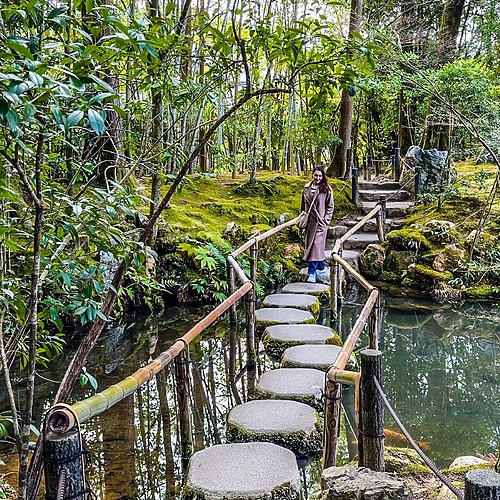
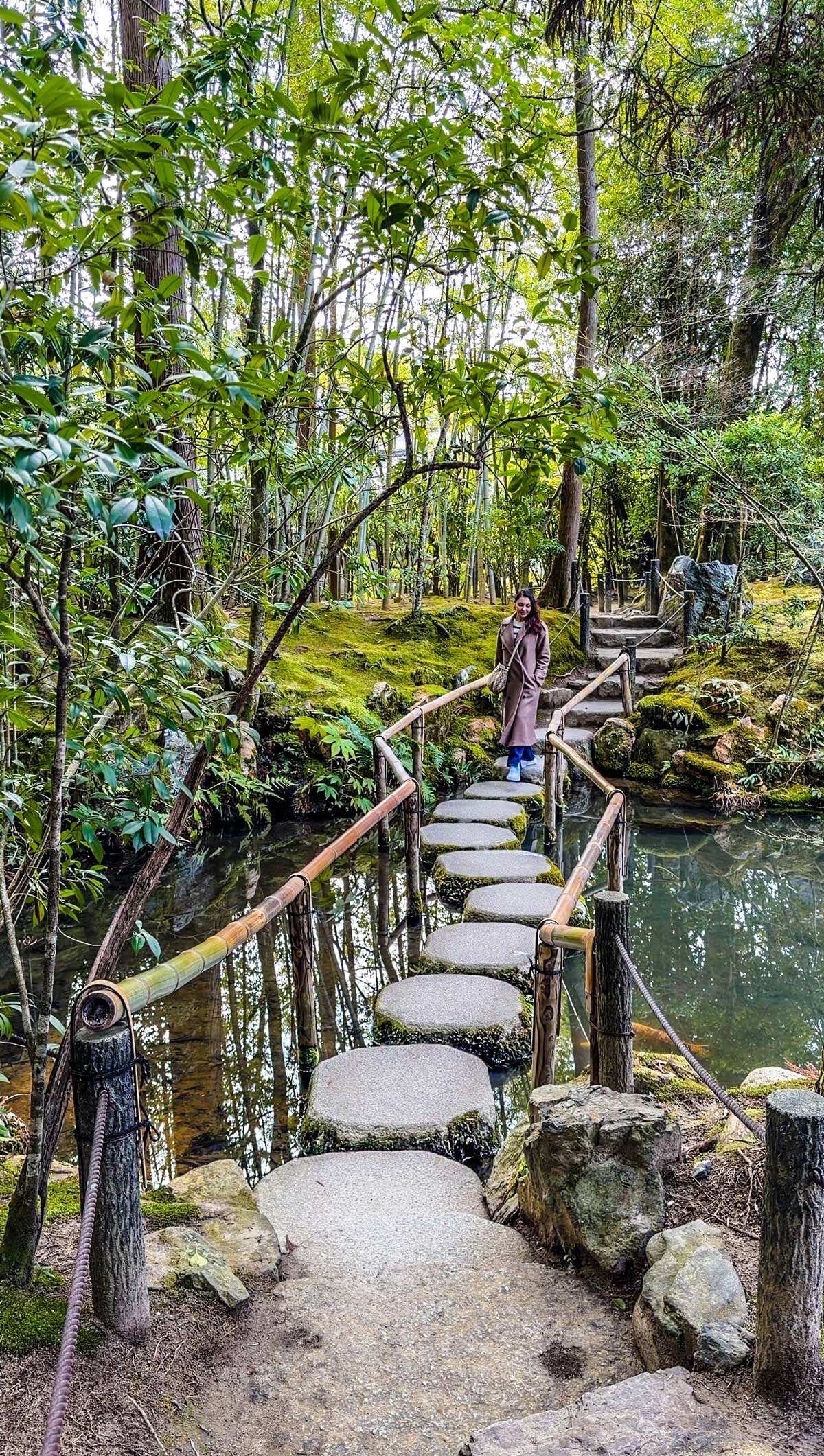
Nanzen-ji is a stunning Buddhist temple complex that offers a mix of peaceful gardens, forested paths, and open walking areas. One of my favorite parts was the Tenjuan sub-temple, where stone pathways wind through beautifully maintained gardens and over koi-filled ponds. The koi were so calm they would swim right up to the edge, creating a really memorable and interactive experience.
Just outside the temple grounds, you’ll find large brick aqueduct arches that make for incredible photos, and tucked within the area is a quiet restaurant with large windows overlooking serene gardens. It felt like a hidden escape despite being relatively close to more popular areas.
Shōren-in Temple
Shoren-in Temple is one of the most tranquil temples I have visited. Inside, you can walk through rooms lined with intricate artwork and traditional paintings, which adds a deeper cultural element to the visit. Outside, the gardens are beautifully maintained, with koi ponds and simple bridges connecting different areas of the grounds.
If you visit in autumn, they offer evening hours with a special illumination that lights up the gardens in shades of blue, creating a peaceful and almost surreal atmosphere that feels completely different from a daytime visit.
Entoku-in Temple
Located just steps from Kodai-ji Temple and close to Kiyomizu-dera, Entoku-in Temple is an easy addition to any itinerary but is often overlooked. The temple features beautifully landscaped gardens, seasonal foliage, and hand-painted sliding doors that add a refined artistic touch.
They also offer unique cultural activities such as sutra copying and creating your own small zen garden, which makes the experience feel more interactive and personal.
Otagi Nenbutsu-ji
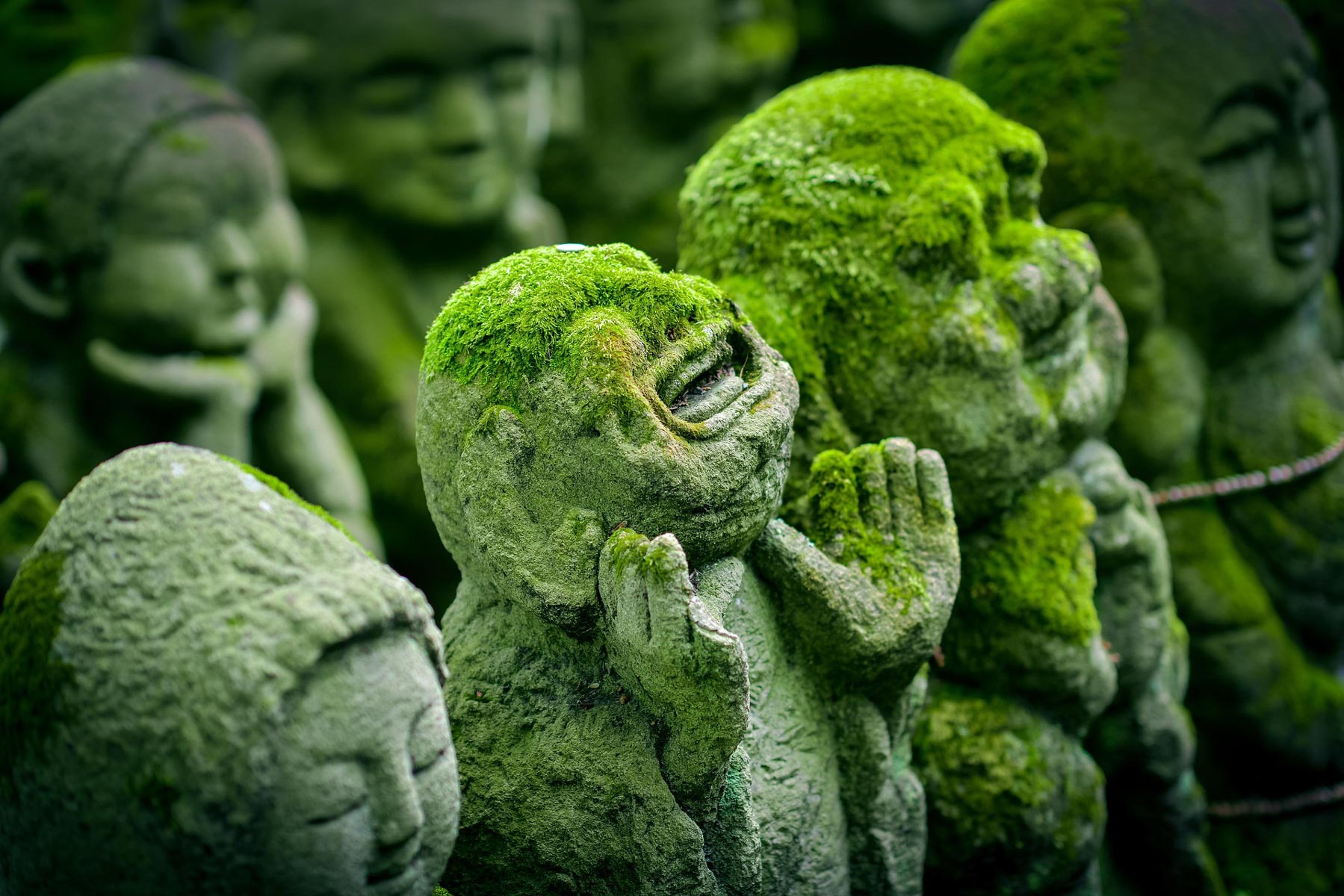
Located on the northern edge of Kyoto near Arashiyama, Otagi Nenbutsu-ji Temple is one of the most unique temples I visited. The grounds are filled with more than 1,200 stone statues, each carved with a different expression, giving the entire place a playful and slightly surreal feel.
Getting there involves a peaceful walk through quieter backstreets that feel completely removed from the crowds of Arashiyama. If you’re already in that area, it’s absolutely worth the extra effort.
Daikaku-ji Temple
Daikaku-ji Temple felt like a true hidden escape. Even on a weekend, it remained incredibly quiet. The grounds are expansive, featuring traditional temple buildings, a large reflective pond, and smaller details like early plum blossoms and tucked-away garden areas.
It’s the kind of place where you can slow down and really take in your surroundings without feeling rushed or crowded, which is increasingly rare in Kyoto.
Unique Uncrowded Shrines in Kyoto
Beyond temples and gardens, Kyoto is also home to unique shrines that remain relatively uncrowded simply because many visitors don’t know about them. These offer a different kind of cultural experience while still maintaining that peaceful atmosphere.
Ōishi Shrine
Oishi Shrine is especially beautiful during cherry blossom season, when the weeping sakura trees frame the entrance. It’s a peaceful setting that feels far removed from the busier tourist areas.
The ponies on the property were a highlight for me. Being able to feed and interact with them made the visit feel much more personal and memorable. The shrine’s connection to the story of the 47 Ronin adds an additional layer of cultural depth.
Yasui Kompiragū Shrine
Yasui Konpiragu Shrine offers one of the most unique experiences in Kyoto. The shrine is known for its ritual of breaking bad relationships and forming new, positive ones.
When you visit, you write your wish on a piece of paper and crawl through a small opening in a stone structure. This act symbolizes cutting ties with negative influences. You then crawl back through from the opposite side, which represents renewal and the start of better relationships. It’s a simple but meaningful ritual, and many visitors say they feel a sense of relief afterward.
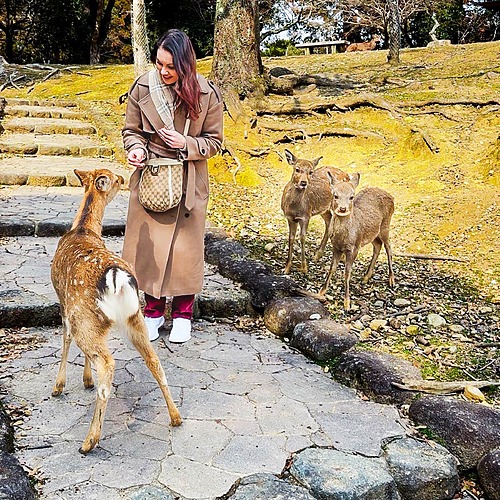
If you're looking for an amazing day trip from Kyoto, also don't miss Feeding the Deer at Nara Park, which is a quick 34-minute train ride.
Why Exploring Kyoto’s Lesser-Known Spots Is Worth It
Kyoto is known for its iconic temples and landmarks, but some of the most memorable moments come from stepping just a little off the main path. While places like Fushimi Inari Taisha and Kiyomizu-dera are absolutely worth seeing, they don’t have to define your entire experience.
What I loved most about exploring Kyoto was how easy it was to find quiet temples, shrines, and peaceful gardens just minutes away from the busiest areas. These hidden gems offered a completely different side of Kyoto that felt more relaxed, more authentic, and honestly more enjoyable.
If you’re planning a trip to Kyoto, I highly recommend balancing the must-see attractions with a few of these lesser-known spots. Slowing down and exploring beyond the crowds is where Kyoto really begins to feel special.
If you're traveling from Tokyo, make sure to book your Shinkansen tickets in advance to ensure a stress-free start to your Kyoto itinerary.


 Sondra Barker